Ramp-Up Industrial Units Singapore: When Direct Vehicular Access Changes the Game
If you have ever managed logistics for a business, even at a small scale, you learn quickly that time is not the only cost. Space, friction, and workflow interruptions matter just as much. A lot of Singapore industrial investment decisions sound like they begin with zoning and tenure, but they often end with something simpler and more practical: can your trucks reach your unit the way your work actually runs?
That is where ramp-up industrial units Singapore have become such a hot topic. The headline advantage is direct vehicular access for loading and unloading. In plain terms, it reduces the extra handwork that happens when goods need to move through shared corridors, lifts, and loading bays with schedules, rules, and bottlenecks. For operators who deal with frequent replenishment, bulky goods, or time-sensitive deliveries, that difference can show up in daily operating costs and, over time, rental demand.
But the story does not end at “better access.” Ramp-up factories also sit inside a broader framework of industrial zoning and allowed use, strata industrial units Singapore constraints, and the reality that industrial tenures in Singapore often come with leasehold structures rather than freehold. The best deal depends on matching your workflow to the technical and regulatory boundaries, not just chasing convenience.
Let’s unpack how to think about ramp-up industrial units Singapore, and how decisions around B1 industrial property Singapore, B1 vs B2 industrial zoning, and tenure shape both business outcomes and industrial property investment Singapore returns.
What “ramp-up” really changes in day-to-day operations
A ramp-up factory is designed so that vehicles can get close to, or directly into, the unit area for loading and unloading. JTC’s descriptions of ramp-up factories emphasize the direct vehicular access concept, contrasted with flatted factories that typically rely on shared access such as common corridors, lifts, and loading bays.
That difference matters because logistics in industrial estates is not only about moving goods, it is also about reducing downtime at two points: before unloading and after dispatch. When loading happens with fewer transfers, you reduce the number of times you need to stage items, move them between different spaces, or rely on shared capacity.
In practical terms, operators often care about:
- how often trucks come in, and whether those visits are predictable
- the size and weight profile of what you move
- how you handle packing, palletization, and staging inside the unit
- how your team coordinates with any goods-lift access or loading-bay arrangements in the same building
Ramp-up layout tends to be favored by businesses that want a tighter connection between the external road access and the internal working floor. Even if you are not running a massive operation, if you do frequent deliveries, frequent returns, or keep inventory movement as a daily rhythm, the operational benefits can be tangible.
Now, here is the part that investors sometimes miss. “Direct access” can make the unit easier to run, but it can also influence what fit-out you choose, where you store materials, and how you configure your workflow. Since strata industrial units Singapore and industrial use approvals can constrain what you are allowed to do, ramp-up convenience still needs to fit the permitted trade and use quantum.
B1 zoning is the starting point for many light, clean, and business-friendly trades
When people search for industrial property Singapore options, they quickly run into B1 industrial zoning. The URA guidance for B1 is clear that it is intended mainly for clean industry, light industry, warehouses, public utilities and telecom uses. The key idea is that B1 is shaped for trades that do not require a large nuisance buffer, and URA also notes that uses that need a nuisance buffer of more than 50m are generally not allowed. Other general industrial uses may be considered case by case if buffer requirements are met.
If your business leans toward “light manufacturing space for sale Singapore” style activities, or logistics-related operations that do not create heavy nuisance risks, B1 can be a natural fit. City-fringe industrial property Singapore precincts such as Tai Seng and Paya Lebar are often favored for e-commerce, light manufacturing, R&D and urban logistics because they sit closer to workforce catchments and transport links. URA’s B1 planning materials also point to B1 industrial clusters around city-fringe MRT areas.
This is also where ramp-up intersects with zoning thinking. A ramp-up unit can support warehouse and packing workflows, but you still need to align the business with the approved industrial use.
URA also sets a major operational constraint for B1: at least 60% of the floor area, or GFA, in a B1 development or strata unit must be used for industrial purposes. The remaining area is limited to ancillary, supporting uses and approved secondary uses.
In other words, you cannot simply buy the most convenient layout and run any business you want. Your configuration has to be industrial-led in a measurable way. When businesses underestimate this, they sometimes end up paying for fit-out in the wrong areas, or spend time restructuring how they operate so they can stay within the allowed use profile.
B1 vs B2: the zoning label affects both business permission and tenant risk
B1 vs B2 industrial zoning is a common question for investors, and for good reason. B1 and B2 are not just different “categories” in a brochure. They map to different industrial intensity and what kind of trade use is more naturally compatible with the site.
URA’s B1 guidance frames B1 for clean and light uses, with nuisance buffer considerations. B2 is the heavier-industrial category, and while the details vary by site, JTC’s B2 listings commonly reflect different specifications than B1 flatted factories, including higher floor loading and different height specs that align with heavier use potential.
So how should you think about the practical investment impact?
First, B2 often carries a narrower pool of tenants because it is tied to heavier industrial use patterns. Those tenants may be more operationally specialized, and vacancy risk can be trade-specific. Second, the regulatory boundaries around what is allowed, and how the building supports those uses, can influence how easy it is to re-tenant the unit if the original operator changes plans.
With B1, the tenant pool can sometimes be broader because the “clean industry” and “light industry” framing supports a wider set of modern industrial activities, such as e-business-related operations, printing or publishing-type uses, media and similar clean uses. URA’s allowable-use framing supports that idea, but it still does not mean every non-industrial activity is automatically permitted. Some non-industrial uses require separate approval or are constrained.
The real investor mindset is this: the more specific the allowable use environment, the more you should model tenant replacement Space Nova Singapore carefully. Ramp-up can help demand, but your ultimate tenant depends on whether the trade matches the approved use and whether your floorplan meets the B1 use quantum rules.
Strata industrial units Singapore: technical checks that can make or break a purchase
For many buyers, ramp-up industrial units Singapore are appealing because they promise practical access, but a ramp-up “feel” is not the same as a compliant, functional strata setup. Strata industrial units Singapore often come with technical parameters you should not treat as minor details.
JTC materials highlight key technical checks for strata industrial units, including floor loading, ceiling height, goods-lift access, loading-bay provision, and whether the trade matches the approved use. If you are evaluating a unit for both business operation and rental prospects, these checks matter because they affect how quickly you can start using the space and how easily you can adapt it to future tenant needs.
Here is a focused checklist I would use before committing, especially when the deal is marketed as “direct access” or “easy logistics.”
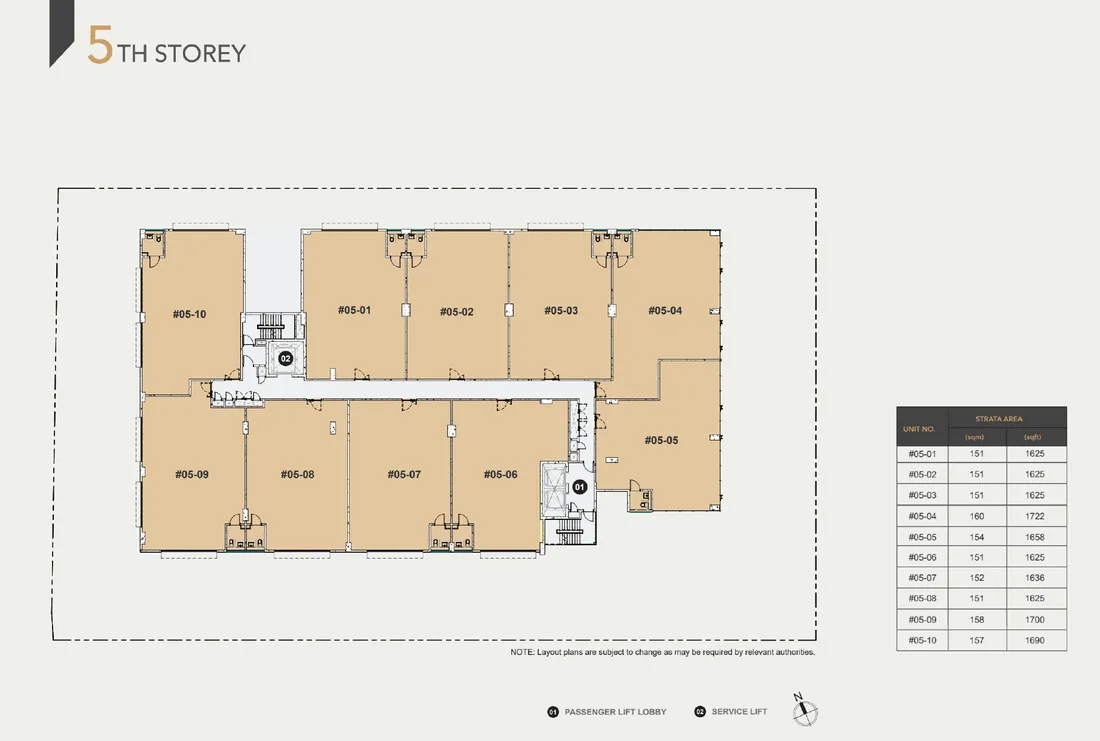
- Confirm floor loading and whether it matches your equipment and storage approach
- Verify ceiling height and how it impacts racking, ventilation, and any mezzanine planning
- Check goods-lift access and loading-bay provision against your actual receiving and dispatch flow
- Review the approved industrial use and whether your intended operations match the trade
- For B1 options, sanity-check the 60% industrial use quantum feasibility for the way you plan to run the unit
A purchase decision is easier when these points are clear, because they prevent the painful scenario where you own a layout that looks good on paper, but the unit cannot support your equipment, or it forces you to scale down to fit the building constraints.
City-fringe demand: why Tai Seng and Paya Lebar keep showing up in industrial searches
One reason ramp-up industrial units Singapore gain attention in the market is that buyers are not only seeking operational convenience, they are also seeking location-driven demand. City-fringe industrial property Singapore precincts such as Tai Seng industrial property and Paya Lebar industrial property are often favored for trades linked to urban logistics, workforce catchment, and transport connectivity.
If your tenant base includes light manufacturing, R&D, printing, e-commerce fulfillment, or other clean industrial uses, being near the city’s workforce and transport routes can reduce hiring friction and delivery time. That can improve rental durability, though it does not eliminate the need to match use permissions.
The zoning context helps here. URA planning materials show B1 industrial clusters around MRT areas in city-fringe zones, aligning with the idea that B1 is often where “cleaner” industrial activities concentrate.
So if you are buying under industrial property investment Singapore thinking, do not treat location as a standalone factor. Pair location with the approved use environment. A well-located unit with a poor fit for allowed trade may sit empty longer than a slightly less convenient unit that is easier to lease to businesses in your target category.
New launch vs existing stock: the hidden trade-offs
New launch industrial property Singapore options can be tempting because you get the latest build quality, updated specifications, and a clearer path to operational planning. However, new does not automatically mean “simpler decision-making.”
When you buy a new unit, you are essentially buying into a future leasing and compliance reality. Your ramp-up access may be excellent, but you still need to consider how the building’s configuration supports goods handling, how strata rules apply, and what use quantum constraints will require in the tenant’s actual floor plan.
Existing stock can also be risky, just differently. Older units may have layouts that do not match modern logistics needs as well, even if the location is excellent. A ramp-up unit’s practical value depends on how usable the working floor is, and whether technical conditions such as goods-lift access, loading-bay provision, and floor loading can still meet the business’s equipment requirements.
If you are comparing new launch industrial property Singapore to an existing asset, it helps to focus less on marketing claims and more on the operational match between the unit’s physical specs and your use.
Freehold vs leasehold industrial Singapore: why “scarcity” shows up in investment conversations
Tenure is a major driver of investor sentiment in industrial property. In Singapore, freehold industrial space is relatively scarce because much new industrial supply tends to be on leasehold land. JTC estate and unit pages commonly show lease terms such as 60-year, 30-year, or 20-year depending on the estate and product.
For investors, that matters in two ways. First, the asset’s long-term hold value is sensitive to the remaining lease term. Second, rental contracts and tenant planning can be influenced by how long the tenancy horizon matches the building’s lifespan.
This is where the “freehold industrial property Singapore” discussion often becomes nuanced. Freehold can be attractive because it reduces the time pressure that comes from lease expiry. But freehold availability is limited, so prices or competition can be intense. Leasehold can still be a good investment if the unit’s physical attributes, location, and permitted use create strong rental resilience.
To keep the decision grounded, compare not only the tenure label, but also the ability to re-tenant the unit under current use rules. A leasehold unit in a prime city-fringe area with specs that match the clean industrial tenant mix can remain desirable even without freehold status. Conversely, a freehold unit with poor utility for modern operations can struggle if it does not meet buyer expectations for floor loading, ceiling height, goods handling, or approved use.
Industrial property stamp duty Singapore and the taxes that actually affect your cash flow
A lot of buyers underestimate how taxes influence the real affordability of industrial property investment Singapore.
For industrial property stamp duty Singapore planning, one commonly held point is that industrial property acquisitions are not subject to Additional Buyer’s Stamp Duty. ABSD is tied to residential property acquisitions. Industrial transactions are instead subject to normal BSD rules, and on disposal, seller’s stamp duty can apply for industrial property where applicable.
Seller’s Stamp Duty for industrial property is based on holding period. IRAS applies SSD rates on disposal, including 15% if sold within 1 year, 10% within 1–2 years, 5% within 2–3 years, and none after 3 years.
That holding period structure is a practical warning for ramp-up unit buyers who plan to “flip quickly” or exit as soon as they see a price movement. Even if the unit is operationally attractive, the tax drag can erase gains over short holding durations.
Also note another cost item that matters in acquisitions: GST may apply when buying a new non-residential property from a GST-registered seller or developer. IRAS states that buyers of non-residential properties must pay GST if the seller is GST-registered.
These items do not replace due diligence on pricing, but they change the math. A purchase that seems attractive based on headline valuation can become less compelling once you model GST and the transaction taxes properly.
Financing reality: industrial property loan Singapore is not just a residential loan mindset
When buyers talk about industrial property loan Singapore, they often start with general borrowing expectations and end up surprised by how lenders frame risk for non-residential assets. Industrial buyers are often assessed differently from residential buyers by lenders. Financing for property investment generally depends on lender assessment, and non-residential loans are typically under commercial terms rather than residential housing-loan rules.
The takeaway is not to assume you will get the same loan structure as a home. The takeaway is to plan financing early, so you understand your interest rate band, your repayment schedule, and how much liquidity you need to cover initial fit-out and working capital.
For ramp-up industrial units, there is also a practical planning angle. If the unit needs fit-out to convert it into a functional warehouse, packing area, or light manufacturing setup, your cash requirement can rise quickly. The more direct access you have, the more you can design the internal workflow efficiently, but you still need capital for the changes.
Buying under company name: what it tends to affect, and what it does not
Many businesses and some investors prefer buying industrial assets under company name, especially when the asset is used for business or held for investment. IRAS stamp duty rules treat entities differently from individuals mainly for residential ABSD purposes. For industrial transactions, ABSD does not apply in the same way, since ABSD is tied to residential property acquisitions.
However, SSD on disposal can still apply for industrial property based on holding period, regardless of buyer profile, because the policy targets gains from short-term disposal.
So, buying under company name does not automatically reduce the fundamental industrial stamp duties you need to consider. It can still make sense for corporate structuring and operational reasons, but the transaction tax planning still needs to address the industrial-specific rules.
Rental yields and liquidity: why ramp-up can help, but use match controls everything
Industrial property rental yield Singapore discussions often focus on yield percentages. The harder question is durability: how long the unit can stay rented without aggressive concessions.
Industrial units can offer higher rental yields than residential in some cases, but resale liquidity is generally more trade-specific and sensitive to approved use, lease tenure, strata size, and building specs. This is not a marketing claim, it follows from the use controls and the way industrial properties are designed to support particular types of Space Nova 21 New Industrial Road activity.
Ramp-up access can support tenant preference because logistics is easier. That can help with both leasing velocity and tenant retention, especially for businesses that value direct loading and minimizing transfer points.
But if the unit’s allowed use is narrow, or if B1 use quantum compliance is hard to maintain for a new tenant’s layout, the rental advantage can shrink. A ramp-up factory that technically supports multiple clean industrial trades can have stronger demand than one that is physically convenient but approved for a narrower trade profile.
Putting it all together: how I would decide between a ramp-up B1 industrial unit and a different option
When I advise buyers, I try to force the decision into a “workflow match” framework. It starts with two questions:
1) What does your operation require for goods handling, loading frequency, and internal staging?
2) Can the unit be operated within B1 industrial use rules, including the 60% industrial use quantum if the unit is B1?From there, the rest becomes a sequence of judgment calls.
A ramp-up B1 industrial unit can be an excellent match if you are building a clean industrial business, logistics-linked operation, or light manufacturing workflow that benefits from direct vehicular access. The zoning environment supports industrial purposes, and the operational design reduces friction.
If you need heavier-industrial capability, or your equipment is suited to B2-type specs, then you must take B1 vs B2 seriously. Do not “hope” the fit is good enough. The market for industrial use tends to price in the ability to support the trade. If the physical specs and use environment are mismatched, you can get stuck with concessions or longer vacancy cycles.
Finally, tenure and exit planning always come back into view. Freehold vs leasehold industrial Singapore decisions often feel like a purely long-term valuation call, but in practice they are also financing and tenant horizon calls. Pair the unit’s permitted use and specs with the time left on the lease term, and model your holding period with SSD implications if you might sell earlier than 3 years.
Realistic scenarios: where ramp-up wins and where it disappoints
Consider a business that handles packing, light processing, and frequent dispatch. Even if the team is not large, the daily rhythm matters. Ramp-up access reduces the number of steps between receiving and staging. If the unit is B1 and the business can maintain the industrial use quantum in the floor plan, the unit can work as both an operational base and a rental asset, especially for tenants who care about logistics efficiency.
Now consider a buyer who wants to repurpose the unit into a non-industrial business. Even if the access is convenient, B1’s intended use and the approved industrial use requirements impose boundaries. URA’s B1 guidance emphasizes clean, light industrial uses and sets a floor area quantum for industrial use. When a tenant’s planned operation does not align, it can trigger approval limitations or force expensive redesign.
Ramp-up therefore does not replace the need to match zoning and approvals. It complements them.
Where ramp-up industrial units fit for different investor profiles
If you are a business owner planning to occupy, ramp-up access can reduce operational friction and improve execution speed. That can make it easier to scale, because logistics constraints often become the first bottleneck.
If you are buying under industrial property investment Singapore thinking, ramp-up can increase tenant appeal, but you still need to underwrite the unit for the specific industrial use profile it supports. That means respecting B1 industrial property Singapore use quantum and approved trade boundaries, understanding the goods-handling specifications, and recognizing that industrial resale liquidity is trade-specific.
For people who prefer light industrial space for sale Singapore, ramp-up B1 units can offer a compelling middle ground: access and usability without drifting into heavier-industrial requirements that might point to B2.
For those looking at city-fringe industrial property Singapore options, Tai Seng industrial property and Paya Lebar industrial property areas are often attractive for light, clean uses and urban logistics. In that environment, ramp-up can align well with e-commerce and light manufacturing realities, assuming the unit’s approved use and technical specs match.
A final practical note on decision discipline
Industrial property decisions feel easier when the marketing story is simple: ramp up, load direct, save time. The reality is more balanced. The best ramp-up industrial units Singapore are the ones where three things align:
- direct vehicular access supports your actual loading and unloading workflow
- the zoning and B1 use quantum reality supports the way you will operate the unit
- the technical specs support your equipment, storage, and internal goods movement needs
If you keep those three aligned, the investment can be more than a “convenience purchase.” It can become a durable asset that stays relevant as tenant preferences evolve within the clean and light industrial ecosystem.
And if you are tempted to compromise on any one of those pillars, it often shows up later as vacancy risk, forced fit-out changes, or a financing mismatch that you only notice after you have committed.
That is why ramp-up matters. Not because it is a trend, but because logistics is the daily truth inside an industrial unit, and the best layouts protect your operations and your exit options at the same time.